

In the world of textile arts, two beloved techniques stand out: applique and patchwork. Both create stunning, unique pieces that add charm and character to quilts, clothing, and home decor. Whether you're a seasoned crafter or just starting your stitching journey, it's essential to understand the differences between these two methods. Let's delve into the details to help you make the right choice for your next project.
1. Definition
Applique is a technique where you sew or adhere small, cut-out shapes or pieces of fabric onto a base fabric, often to create a picture or design. It's like adding a patch, but the shapes are usually more intricate and can be cut from various fabrics, adding depth and dimension to your work.
Patchwork, on the other hand, involves sewing together smaller, square or rectangular fabric pieces to form a larger pattern or design. The finished product often showcases a grid-like structure, with each square contributing to the overall design.
2. Techniques and Tools
Applique requires precision cutting and careful sewing, often using a stabilizer or backing to ensure the shape stays in place while stitching. You might use a variety of stitches, such as straight, zigzag, or satin stitch, and tools like templates, embroidery hoops, or even a specialized applique presser foot.
Patchwork, conversely, relies on sewing machines or by-hand work, with a focus on accurate piecing and alignment. Basic tools include a seam ripper, pins, and a rotary cutter or scissors for cutting fabric.
3. Design Flexibility
Applique offers endless possibilities for creativity, as you can create complex designs, portraits, or even replicate traditional embroidery. It's perfect for adding a personalized touch to garments, bags, or wall hangings.
Patchwork, although initially limited to geometric patterns, has evolved to embrace more free-form and abstract designs through modern quilt techniques. It's a great way to showcase a collection of fabrics or create a cohesive color story.
4. Skill Level
Applique can be more challenging for beginners due to its precision requirements and the need for careful handling of the shapes. It's a skill that develops over time, but once mastered, it can lead to impressive results.
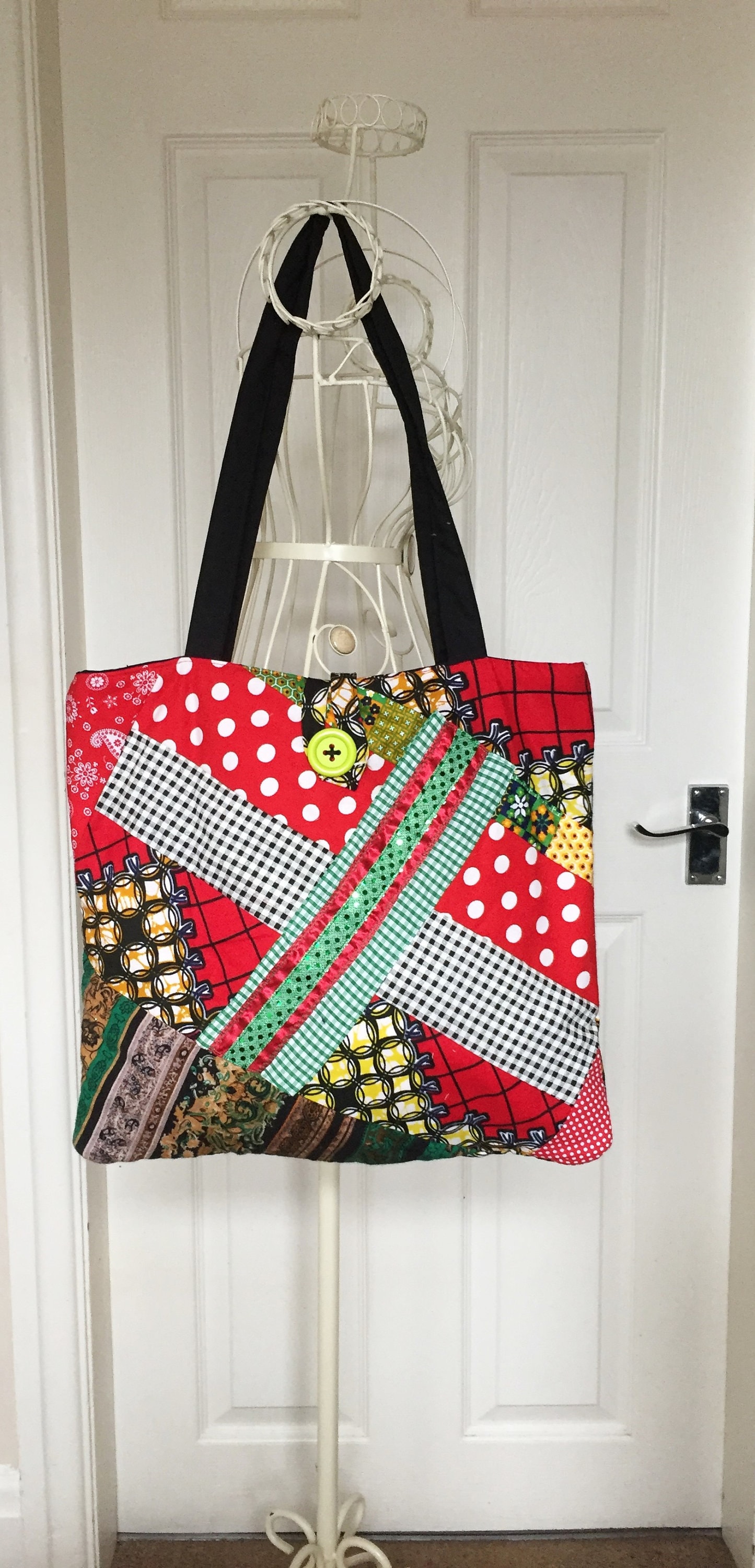
Patchwork, especially simple block patterns, is generally considered more accessible for new sewers. It allows for quicker progress and can be a fun introduction to quilting.
5. Time and Effort
Applique projects tend to take longer due to the additional steps involved in cutting, shaping, and securing the appliques. Each piece adds an extra layer of complexity and detail.
Patchwork, especially when using larger squares, can be quicker and more efficient, especially if you're working with pre-cuts or precut fabric. However, intricate designs may still require careful piecing.
6. Reproducibility
Applique designs can be more challenging to reproduce, as each piece is unique and may need to be hand-cut and sewn. This makes them less suitable for mass production or for creating multiples of the same design.
Patchwork, on the other hand, can be easily scaled up or down, making it ideal for creating coordinating sets or multiples of the same pattern.
7. End Result
Applique pieces often have a raised, textured look that adds a tactile element to your creation. It's perfect for creating heirloom-quality items with a professional finish.
Patchwork, with its clean lines and uniformity, can result in a more modern, graphic aesthetic, depending on the fabrics and layout chosen.
Both applique and patchwork offer unique ways to express creativity in textiles. Choose the one that aligns with your artistic vision and skill level. If you love intricate details and personalized touches, applique may be your calling. For https://evrypatch.com/ who enjoy playing with colors and patterns, patchwork offers a versatile platform to build beautiful projects.